A Bloomington roof should be checked before Minnesota snow arrives because winter can expose roofing problems quickly. Snow load, ice dams, freeze-thaw cycles, wind, and trapped moisture can all make small roof issues worse. A roof may look fine from the yard, but loose shingles, worn flashing, clogged gutters, poor attic ventilation, and hidden moisture can become more serious once temperatures drop.
Fall is the best time to check the roof because access is easier, conditions are safer, and repairs are usually more manageable before snow and ice build up. If you’re not sure whether your roof is ready, scheduling a professional roof inspection in Bloomington can help you understand what should be addressed before winter sets in.
What Should Bloomington Homeowners Check Before Snow?
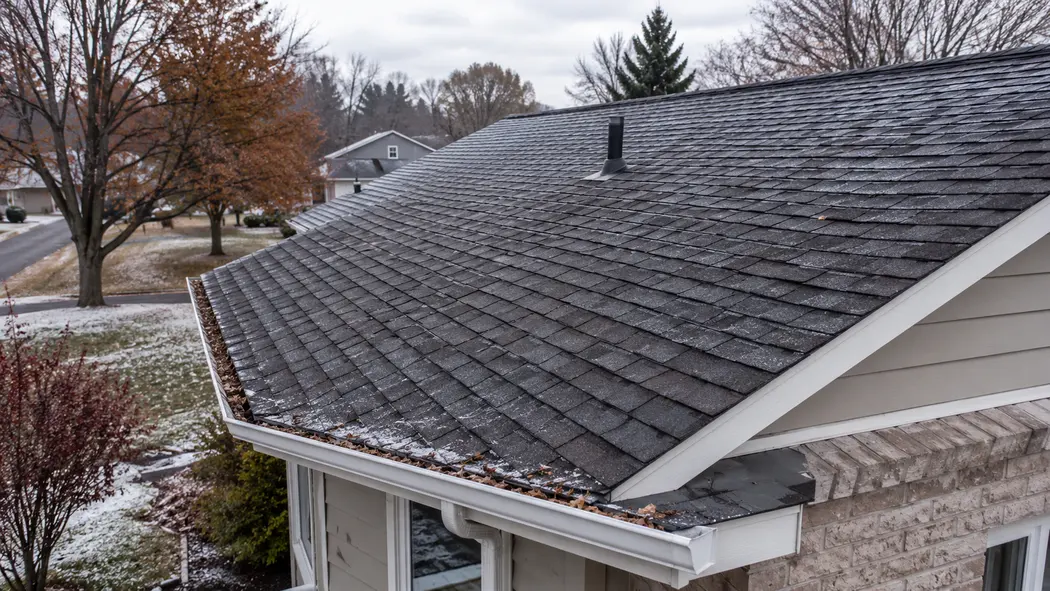
Before Minnesota snow arrives, Bloomington homeowners should check for missing or lifted shingles, damaged flashing, clogged gutters, poor attic ventilation, overhanging branches, roof debris, and interior signs of moisture. The most important goal is to reduce weak points before snow, ice, and freeze-thaw movement put more stress on the roof.
Why Minnesota Winter Is Hard on Roofs
Minnesota roofs do not just deal with cold weather. They also deal with changing temperatures, snow accumulation, melting and refreezing, wind-driven moisture, and ice buildup near roof edges. These conditions can stress shingles, flashing, gutters, valleys, vents, and attic systems.
The National Weather Service explains that winter storms can bring snow, freezing rain, sleet, and dangerously cold conditions, all of which can affect homes and building systems. In Minnesota, winter roof issues often become worse when fall maintenance gets delayed.
01 Check Shingles and Roof Surface Wear
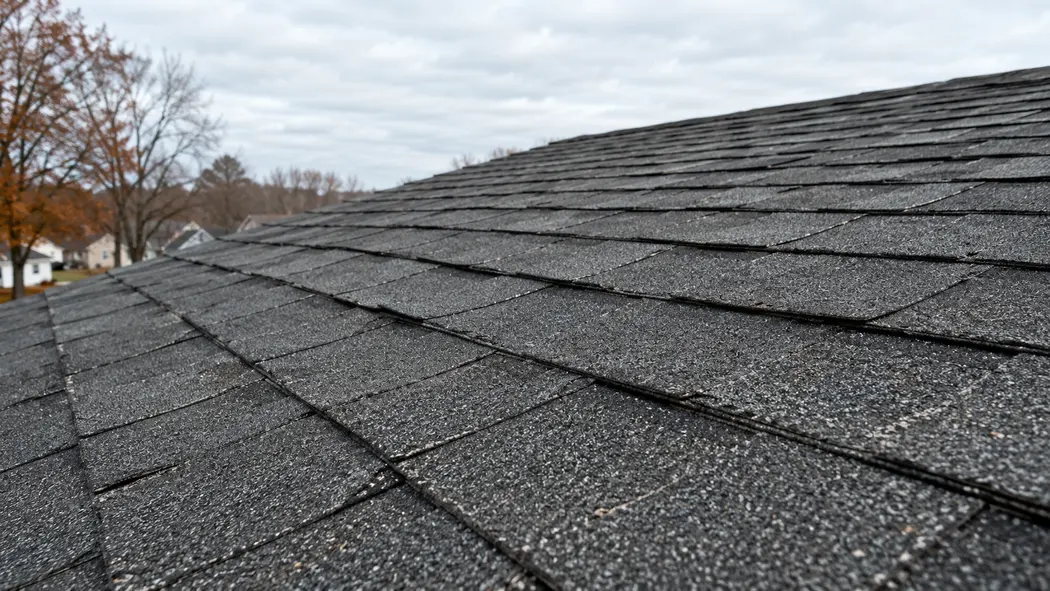
Shingles are the roof’s first protective layer. Before winter, homeowners should look for shingles that are missing, lifted, curled, cracked, or wearing unevenly. Freeze-thaw cycles can make small weak points worse because melting snow can enter tiny gaps and refreeze overnight.
Lifted edges: Raised tabs may let wind-driven moisture move beneath the shingles.
Cracked shingles: Small cracks can become more serious in cold weather.
Uneven roof color: This may suggest granule loss or aging areas.
Missing shingles: Open sections should be addressed before snow arrives.
The limitation: A ground-level check can help homeowners spot obvious roof wear, but it cannot confirm hidden storm damage, soft spots, or weakened shingle seals. A closer inspection may still be needed.
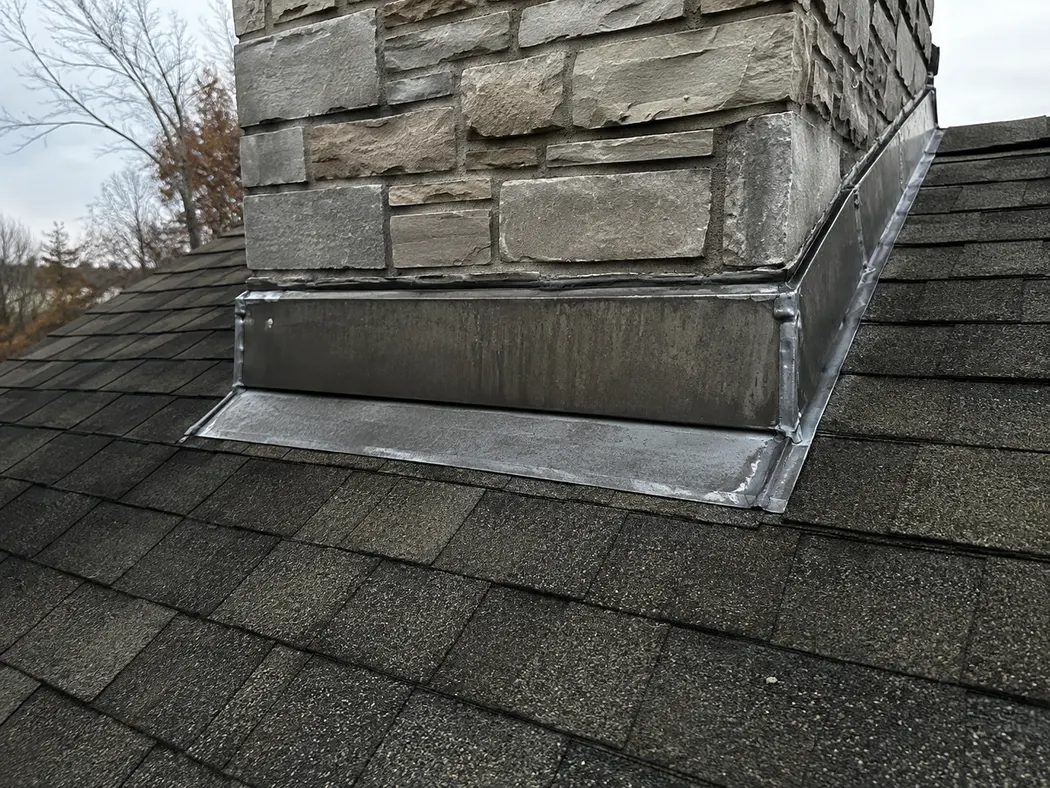
02 Inspect Flashing Around Roof Transitions
Flashing protects some of the most leak-prone parts of the roof, including chimneys, walls, valleys, skylights, and roof penetrations. If flashing is loose, rusted, bent, or poorly sealed, melting snow and ice can find a path into the roof system.
Chimney flashing: Gaps or cracked sealant can let in water.
Wall flashing: Roof-to-wall transitions need secure water protection.
Valley flashing: Valleys carry heavy water flow and should stay clear and intact.
Vent flashing: Loose seals around roof penetrations can leak during snowmelt.
The limitation: Flashing problems are often difficult to confirm from the ground. Homeowners may notice staining or visible gaps, but subtle separation or seal failure may only be found during a closer inspection.
03 Clean Gutters and Make Sure Water Can Drain
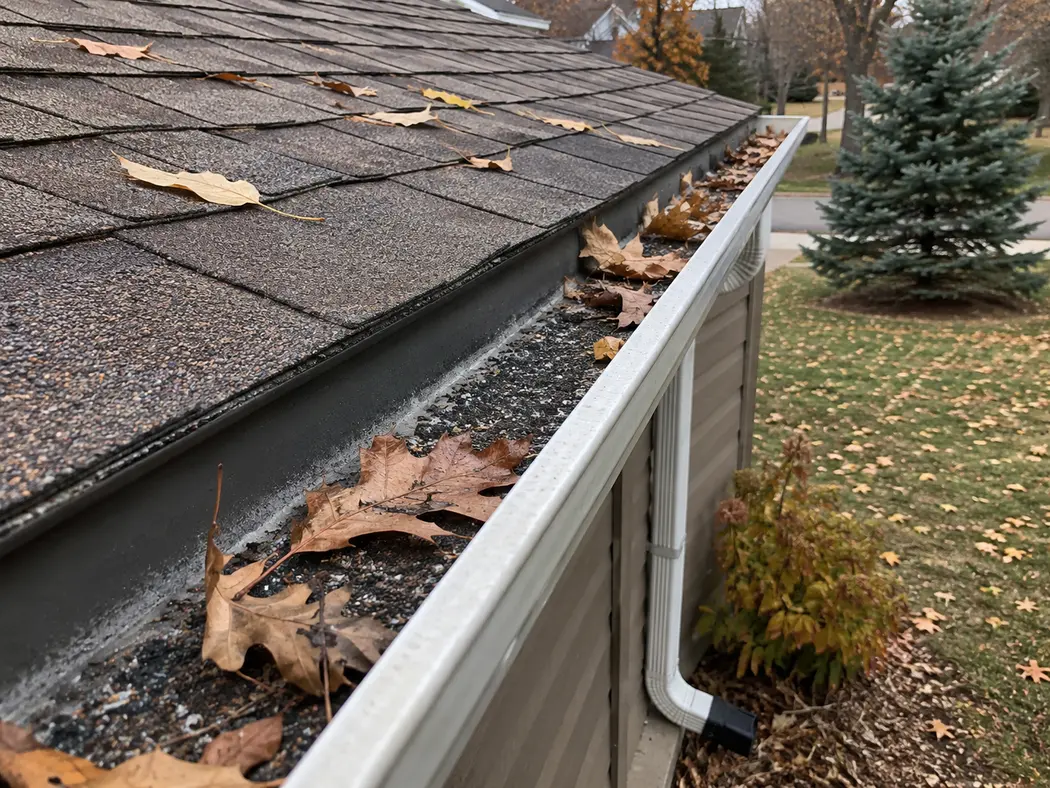
Gutters matter before winter because blocked drainage can contribute to water backup and ice buildup near roof edges. If gutters are full of leaves, twigs, pine needles, or roof granules, melting snow may not drain properly.
Leaf buildup: Leaves can block water flow before snow even starts.
Granules in gutters: This may suggest shingle wear that should be reviewed.
Sagging sections: Heavy debris can pull gutters away from the fascia.
Overflow stains: Water marks below gutters may show repeated spillover.
The limitation: A gutter check can show drainage concerns, but it cannot confirm whether ice dams will form or whether hidden roof-edge damage already exists beneath the shingles.
04 Look in the Attic for Moisture, Ventilation, and Insulation Problems
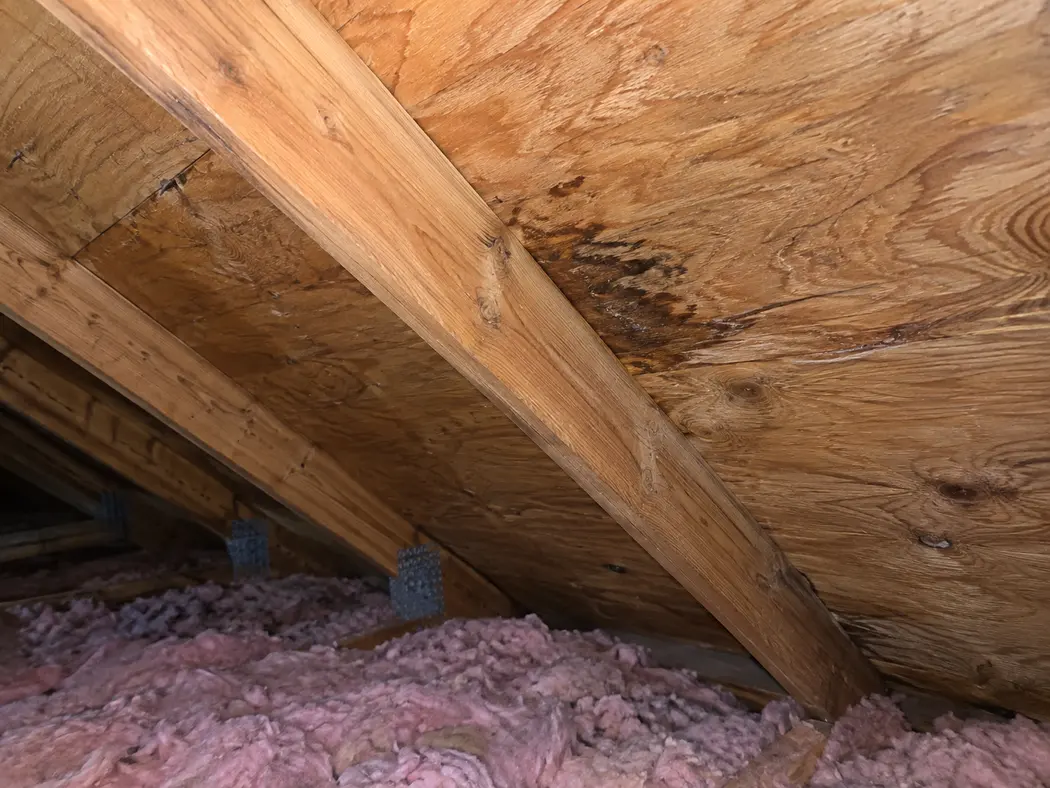
Some roof problems show up in the attic before they appear on ceilings. Before winter, homeowners should check the attic if it is safe to access. Look for damp insulation, dark decking stains, rusted nails, musty odors, or daylight through roof boards.
Attic ventilation and insulation also matter in Minnesota because warm air escaping into the attic can contribute to uneven roof temperatures and ice dam risk. Manufacturer guidance from GAF and general roofing guidance from the National Roofing Contractors Association both emphasize the importance of proper ventilation in overall roof performance.
Damp insulation: May suggest moisture entry from the roof.
Dark decking stains: These can point to active or past moisture movement.
Rusted nails: Rust may suggest humidity or condensation issues.
Musty odors: Odors may indicate trapped moisture or poor ventilation.
The limitation: Attic clues can reveal moisture concerns, but they do not always show the exact roof entry point. Water can travel before it becomes visible.
05 Check Trees, Debris, and Roof Edge Risks
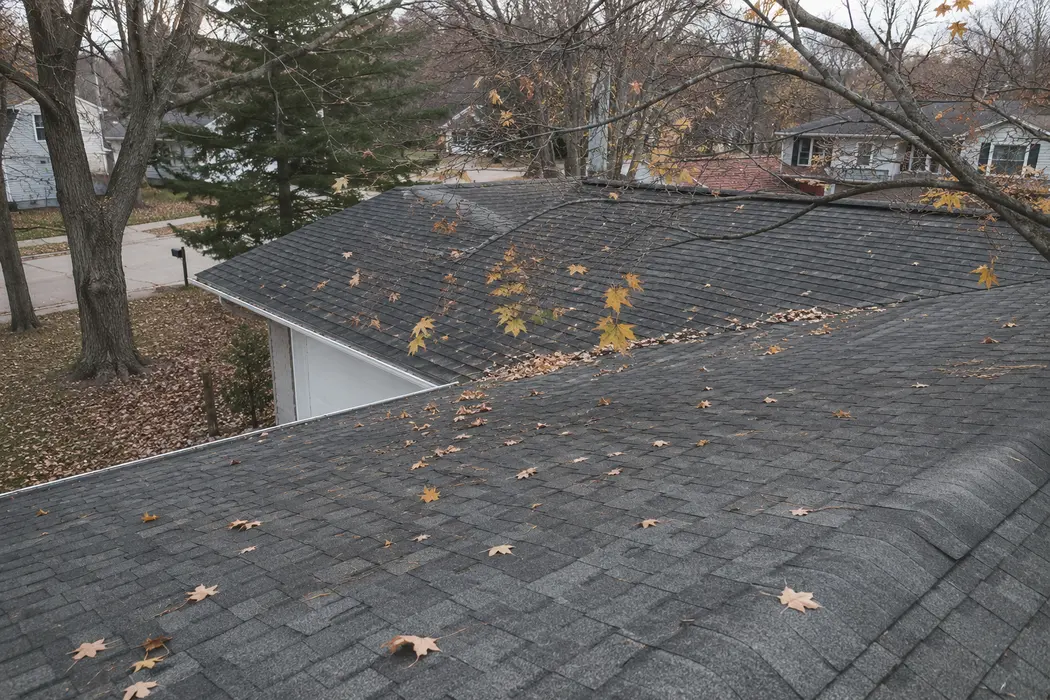
Nearby trees can increase roof risk heading into winter. Branches can scrape shingles, drop debris into valleys and gutters, and break during snow or ice events. Debris sitting on the roof can also trap moisture.
Overhanging limbs: Branches above the roof may break during winter storms.
Leaves in valleys: Debris can slow drainage in key water-flow areas.
Roof edge buildup: Debris near the eaves can hold moisture longer.
Shade-heavy areas: Shaded areas may stay damp and hold frost longer.
The limitation: Homeowners can identify obvious debris and branch concerns from the ground, but they should not climb onto the roof to remove or inspect them. Roof access should be left to professionals.
06 Do Not Ignore Small Interior Warning Signs
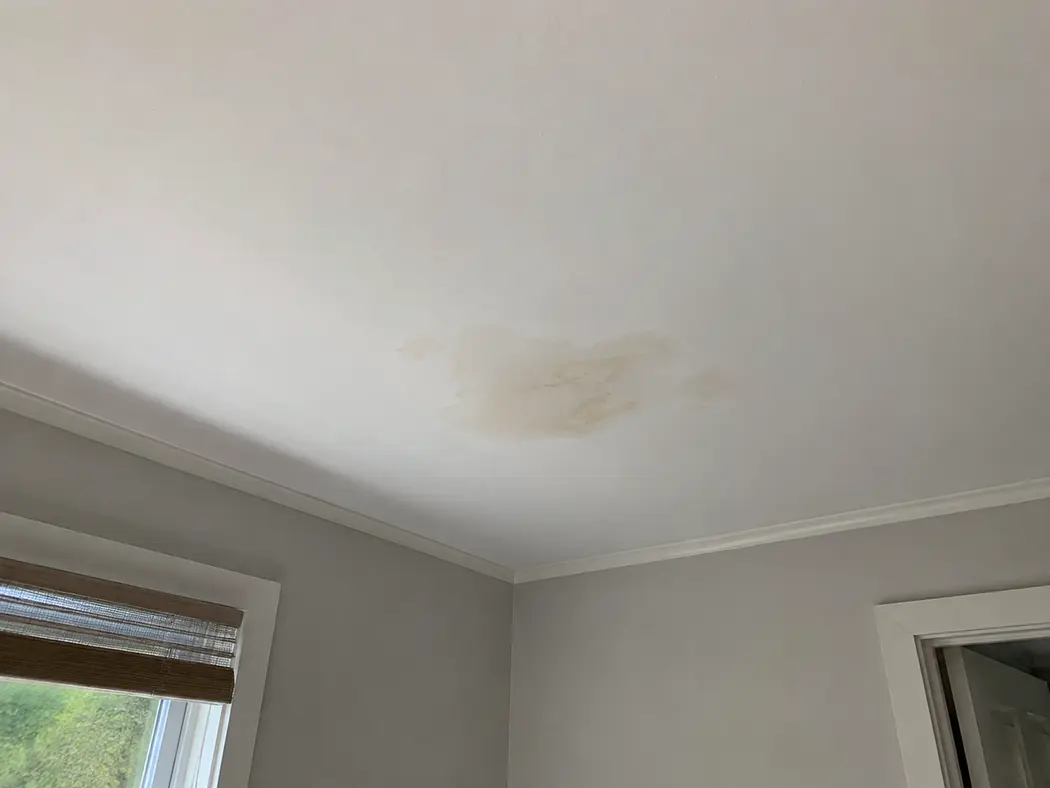
A small ceiling stain, bubbling paint, or musty smell may be the first visible sign that the roof is not fully winter-ready. Water can travel through roofing layers, insulation, and framing before becoming visible indoors.
Brown or yellow stains: May suggest water intrusion.
Bubbling paint: Moisture may be trapped behind the surface.
Soft drywall: Soft spots can point to repeated moisture exposure.
Recurring stains: Stains that return after weather events should be checked.
The limitation: Interior signs can tell you there may be a roof problem, but they do not reliably show exactly where the exterior issue is located.
Why Fall Is the Best Time to Schedule a Roof Inspection in Bloomington
Once snow and ice arrive, inspections and repairs can become more difficult. A fall inspection gives homeowners time to understand whether the roof needs repair, maintenance, documentation, gutter work, ventilation review, or replacement planning.
If you need help understanding your roof’s condition, Bold North Roofing can help with a roof inspection, and homeowners can also learn more about why to choose Bold North, meet the team, or review financing options if larger repairs or replacement work are needed.
Bold North Roofing focuses on clear communication, detailed estimates, clean jobsites, and roofing systems designed for Midwest weather. For homeowners dealing with hail, wind, snow, and winter roof concerns, that local experience matters.
The Bold North roof inspection process includes exterior evaluation, interior checks, storm damage assessment, detailed documentation, clear recommendations, and follow-up support. Homeowners can also learn more about the team behind the company through the Meet the Team page.
If roof damage leads to repair or replacement planning, homeowners can review Bold North financing options to better understand payment flexibility for roofing projects.
Bloomington and Nearby Minnesota Communities
This article is especially relevant for homeowners in Bloomington, Minneapolis, St. Paul, Edina, Richfield, Eden Prairie, Minnetonka, Burnsville, Eagan, Apple Valley, and nearby Twin Cities communities.
Bloomington roofs face snow, ice, freeze-thaw cycles, wind, mature trees, fall leaves, clogged gutters, attic ventilation concerns, and winter moisture risks. A fall roof check can help homeowners understand whether the roof is ready before winter weather puts more pressure on the roof system.
External Resources for Bloomington Homeowners
For external links, homeowners should rely on genuine third-party sources such as manufacturer documentation, building code resources, roofing industry organizations, weather safety resources, and insurance guidance. These sources can help homeowners better understand winter weather risks, attic ventilation, roofing standards, maintenance planning, and storm-related roofing concerns.
For winter weather safety and preparedness, homeowners can review the National Weather Service winter safety resource and the Ready.gov winter weather guide.
For roofing industry guidance, homeowners can review general educational resources from the National Roofing Contractors Association. For attic ventilation information, homeowners can review manufacturer guidance from GAF attic ventilation resources.
For Minnesota building code information, homeowners can review the Minnesota Department of Labor and Industry building codes and laws page.
Limitation Note: External resources are useful for education, but they do not replace a roof-specific inspection. Manufacturer guides, code references, weather resources, and insurance pages can explain general issues, but they cannot confirm the actual condition of one Bloomington roof.
The limitation: External resources are useful for education, but they do not replace a roof-specific inspection. Manufacturer guides, code references, weather resources, and insurance pages can explain general issues, but they cannot confirm the actual condition of one St. Paul roof. A professional inspection is still needed to evaluate visible damage, roof age, installation details, attic conditions, and repair or replacement needs.
Conclusion
Bloomington roofs should be checked before Minnesota snow arrives because winter weather can turn minor roof issues into bigger problems. The most important fall checks include shingles, flashing, gutters, attic moisture, ventilation, tree debris, and interior warning signs.
A roof does not have to be leaking today to be vulnerable tomorrow. Looking at the right areas in fall can help homeowners reduce surprises once snow, ice, and freezing temperatures arrive.
If you’re unsure about the condition of your roof, scheduling a professional roof inspection in Bloomington before winter is a smart next step.
Frequently Asked Questions
- When should Bloomington homeowners check their roof before winter?
The best time is during fall, before snow and ice make access harder and before freezing temperatures increase roof stress.
- What roof problems matter most before Minnesota snow?
Homeowners should pay attention to missing or lifted shingles, flashing issues, clogged gutters, attic moisture, poor ventilation, and interior leak signs.
- Can I tell if my roof is winter-ready from the ground?
A ground-level check can help you spot obvious concerns, but it will not reveal every hidden issue. A professional inspection provides a clearer answer.
- Why do gutters matter before winter?
Gutters help move water away from the roof edge. If they are clogged, melting snow may drain poorly and increase moisture-related problems near the eaves.
- What if I already see a small ceiling stain?
A small stain can be an early warning sign of a roof problem. It should be checked before winter weather makes moisture issues worse.
- Is my Bloomington roof ready for Minnesota snow?
Your roof may be ready for snow if shingles are secure, flashing is intact, gutters are clear, attic ventilation is working properly, and there are no signs of interior moisture. A professional inspection can help confirm the roof’s condition before winter.
- What should I check before winter?
Homeowners should check shingles, flashing, gutters, attic moisture, attic ventilation, nearby trees, roof debris, ceiling stains, and drainage around the roof edge.
- Why do gutters matter before snow?
- Can poor attic ventilation affect my roof in winter?
Yes. Poor attic ventilation can trap warm air and moisture, which may contribute to condensation, uneven roof temperatures, and ice dam concerns.
- Should I schedule a roof inspection in fall?
Yes. Fall is a smart time to schedule a roof inspection because it gives homeowners time to address visible concerns before snow, ice, and freezing temperatures make roof access harder.